U.S. Moving Day Checklist: Keep Essentials Off the Truck
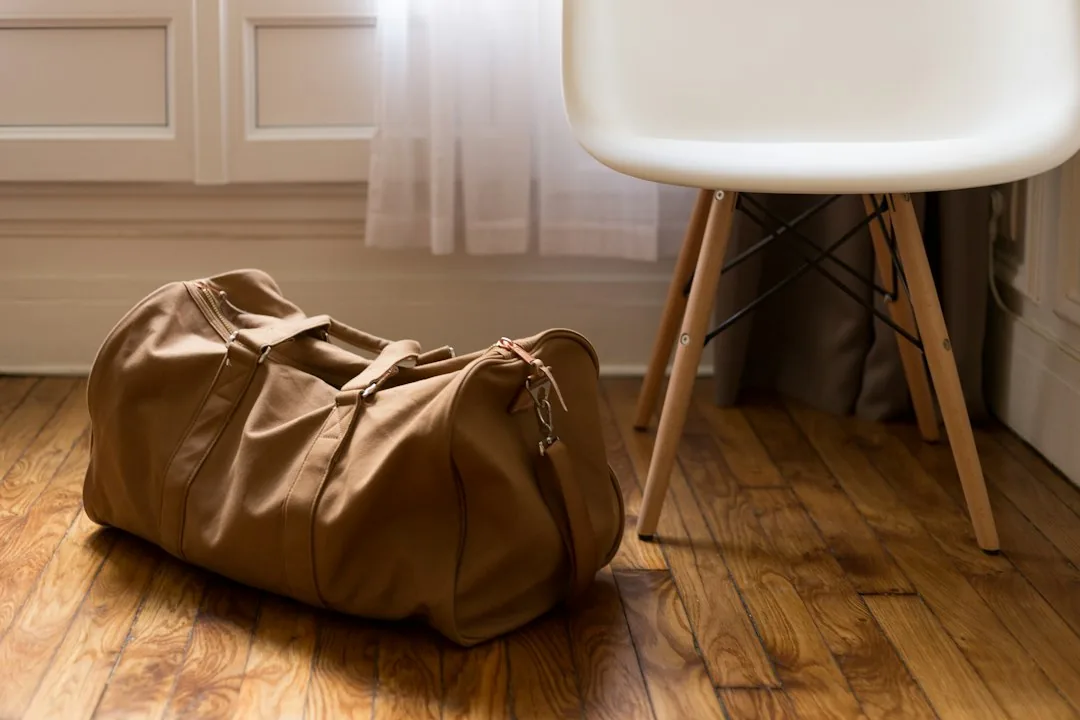
On moving day, stay on site, keep your essentials and documents with you, and complete a final walkthrough before the truck leaves. Walk the inventory with the crew, read anything before you sign it, and keep your copy of the bill of lading and inventory until delivery and any claims are settled. Hold onto phone chargers, medications and valuables yourself.
TL;DR:
- Keep chargers, medications, valuables, and key papers with you; pack bedding, toiletries, clothes, and snacks in an essentials bag for your first night.
- Name one decision maker, brief the crew on fragile items, restricted rooms, access hazards, parking, and destination layout, then remain available without directing their handling.
- Read the estimate, order for service, bill of lading, and inventory before signing; record damage, keep copies, and retain the bill of lading through claims.
- Stay until loading ends, then inspect every closet, appliance, garage, and outdoor storage area; photograph empty rooms and loading damage before leaving.
- At delivery, compare belongings with the inventory and note damage before signing; submit written claims to the mover within 9 months of delivery.
Table of Contents
- Your moving day checklist for the morning before movers arrive
- How to greet and brief your movers
- Documents and inventory: what to read and keep
- Final sweep: the last checks before the truck leaves
- Arrival and unloading: what to unpack first
- Payment, tipping and what to do if something goes wrong
- Common moving day mistakes and quick fixes
- What we have learned from watching moving days
- How we can help you on moving day
- FAQ
- Sources
Your moving day checklist for the morning before movers arrive
The first hours set the pace for everything that follows. If the house is ready when the crew walks in, loading goes faster and fewer things get missed. Work through these steps in order:
- Confirm arrival times. Call or text the crew lead to confirm the arrival window and save a direct phone number for the driver.
- Gather your paperwork. Put the estimate and the order for service in one folder so you can hand them over or check them against what the crew brings.
- Pack your essentials box. Fill one clearly labeled box or bag and keep it with you, not on the truck.
- Handle the appliances. The fridge should be emptied, defrosted and wiped down ahead of time. Unplug anything else that needs to be disconnected before it moves.
- Secure the small stuff. Put jewelry, important papers, keys and small valuables on your person or in your car.
- Do a quick pass for hazards. Clear walkways, prop doors open and move your car so the truck has room.
Your essentials box is the one thing you cannot be without by evening. Pack these:
- Phone chargers and a power strip
- Medications and basic first aid
- Toiletries, towels and toilet paper
- A change of clothes for each person
- Bedding for the first night
- A small tool kit with a screwdriver, pliers and a box cutter
- Snacks, water, paper plates and cups
- Important documents, including your estimate and order for service
Pro Tip: Write “OPEN FIRST” on the essentials box with a marker and tell the crew it rides in your car or stays with you, so it never gets buried at the back of the truck.
If you want help getting this far before the day arrives, our moving tips and tricks cover packing and organization in more depth.
How to greet and brief your movers
The first moments with the crew shape the whole move. Be warm, be clear and give them what they need, then let them work. FMCSA guidance points consumers toward supervising loading and unloading, and supervising means being available and informed, not hovering over technique. Movers know how to wrap, lift and stack. Your job is to tell them what is special about this particular home.
Cover these points in your walkthrough with the crew lead:
- Introduce the point person. Tell the crew who makes decisions for you, so they are not getting different answers from different family members.
- Give route and parking details. Tell the driver where the truck can park, which entrance to use and any cross streets or turns that are tricky with a large vehicle.
- Show fragile and high-value items. Point out the antique mirror, the glass tabletop, the piano or anything that needs extra care.
- Mark the no-go zones. Tape off or close rooms with items that are staying, such as a closet of things you are driving yourself.
- Flag the tight spots. Mention steep stairs, narrow halls, low ceilings, elevator rules and building quiet hours.
- Explain the destination layout. Tell them which rooms get which furniture so unloading goes quickly.
One decision-maker keeps everything simple. If a spouse or roommate has questions, they go through that person.
Pro Tip: Put a sticky note on each room door at the new place with the room’s name, such as “Master Bedroom” or “Office,” so the crew can place boxes without asking you every time.
Local conditions matter too. Our guide on how to prepare for moving day in San Francisco shows the kind of parking and scheduling detail worth sorting out in advance.
Documents and inventory: what to read and keep
Paperwork is dull until something goes wrong, and then it is the only thing that matters. Expect to see the estimate, the order for service, the bill of lading and the inventory list. FMCSA’s moving checklist tells consumers to read all of these carefully before signing and to be present to answer questions and give directions during the inventory and loading.
Here is how to handle each one:
- Estimate and order for service: Compare them to what the crew says today. If a price, date or service differs, ask for the change in writing.
- Bill of lading: This is both your contract with the mover and your receipt for your belongings. Keep it until delivery, payment and any claims are completely finished.
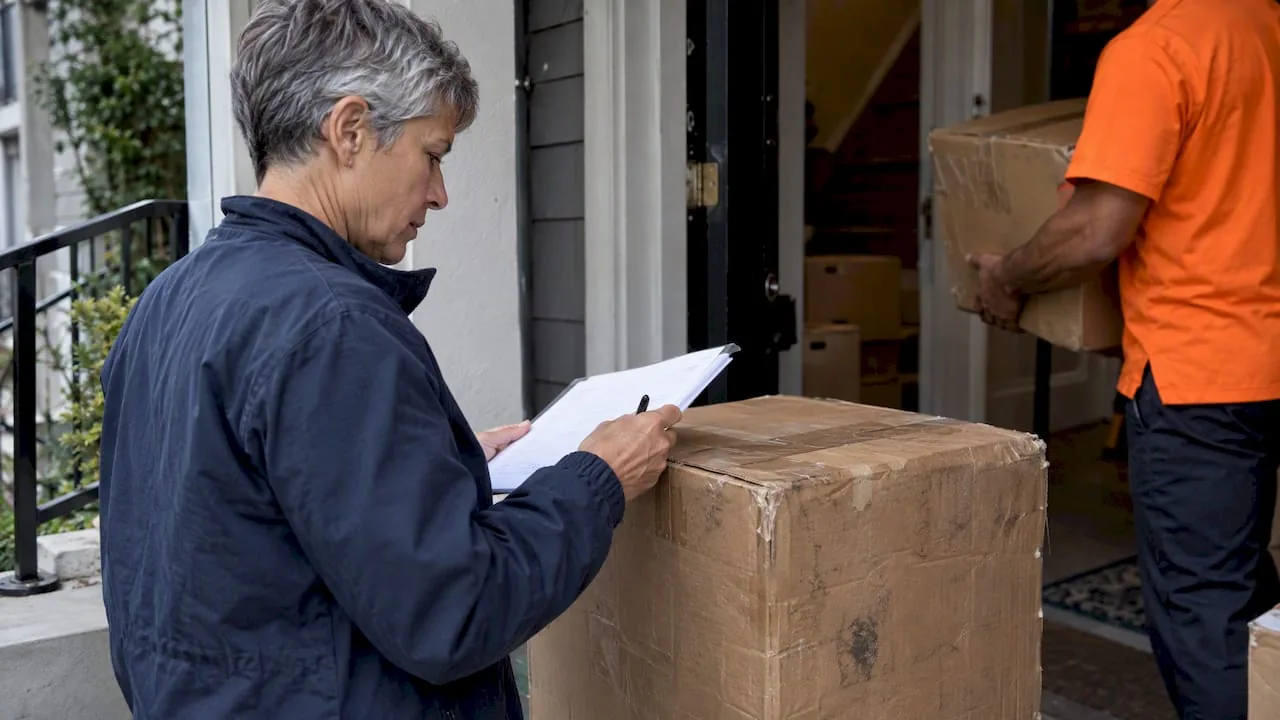
- Inventory list: Walk with the crew as items are logged. Check that each item’s condition is described accurately, and note existing scratches or dents before anything is loaded.
- Your copy: If the crew does not prepare an inventory, ask for one. Without it, proving what was damaged or missing later gets much harder.
- Rights booklet: Movers must give you the pamphlet “Your Rights and Responsibilities When You Move” before loading. Read the sections on valuation coverage and claims.
Keep your bill of lading until delivery and any claims are settled. FMCSA’s moving checklist names this as a core consumer step, because it is the proof of what the mover agreed to carry.
For official downloadable checklists covering before, during and after the move, FMCSA’s Protect Your Move toolkit is the place to start.
Final sweep: the last checks before the truck leaves
The final sweep is where forgotten items get rescued. Do it after the truck is loaded, when rooms are empty and nothing is hiding behind furniture. Real estate resources like Opendoor’s moving guide treat this walkthrough as essential, with every closet, cabinet, drawer and storage area checked. Use this order:
- Closets and cabinets. Open every door and drawer, including the high shelves.
- Appliance spaces. Check inside the oven, dishwasher, washer and dryer.
- Attic, basement and garage. These are the most common places to leave things behind.
- Sheds and outdoor storage. Look at the yard, patio, balcony and any detached storage.
- Photograph everything. Take photos of each empty room and any damage that happened during loading.
- Set utilities and thermostats. Adjust them as required for the property.
- Lock up. Close and lock all windows and doors, and hand off keys as your landlord or agent instructed.
- Confirm contact details. Make sure the driver has your phone number and knows the delivery address and timing.
Arrival and unloading: what to unpack first
At the new place, the goal is a functional first night, not a finished home. Greet the crew, show them where to park and where each piece goes, then let the unloading start.
- Give clear instructions. Walk the crew through the layout and point out the labeled doors.
- Confirm furniture placement. Decide where the beds, couch and large tables go before they are carried in, since moving them again is harder.
- Check condition as items come off. Compare each piece against the inventory and note any damage before you sign anything.
- Handle building rules early. Reserve the elevator, confirm move-in hours and arrange any parking permits well before the truck arrives.
- Keep walkways clear. Remove rugs and trip hazards so the crew can move safely.
Unpack in this order:
- Your essentials box
- Bedding and the beds themselves
- Kitchen basics: kettle, coffee, plates, a few pots
- Bathroom items and towels
- Children’s comfort items and pet supplies
Pro Tip: Keep a pet in a quiet room with its own water bowl, or arrange care for the day. Open doors and strangers carrying boxes stress animals, and a loose pet near a moving truck is a real hazard.
FMCSA also reminds consumers to supervise unloading and note any damage on the inventory list, which is far easier to do before the crew leaves than a week later.
Payment, tipping and what to do if something goes wrong
Payment follows the terms in your estimate and bill of lading, so check the accepted payment methods and timing before moving day. Do not rely on verbal promises. If the crew asks for something that differs from the paperwork, get the change in writing.
- Payment: Pay what the documents say, when they say, and keep the receipt with your bill of lading.
- Tipping: Tips are optional and vary by crew size and difficulty. Many people tip each mover individually, in cash, at the end of the day. Cold water, snacks or lunch for a long day are appreciated.
- Damage or missing items: Say so before the crew leaves and note it on the inventory. Request the company’s claim form and photograph the damage.
- Filing a claim: FMCSA explains that you should file a written claim with the mover within 9 months of delivery. FMCSA offers guidance and a complaint tool but does not resolve individual claims for you.
- Dispute settlement: Use the mover’s neutral dispute settlement program if you and the company disagree.
Common moving day mistakes and quick fixes
Most moving day problems come from a few repeat errors. Avoid these, and know what to do if one happens:
- Signing without reading. Take the time to read every page, especially the inventory and bill of lading. If you do not understand a line, ask.
- Leaving before loading finishes. Stay until the last box is on the truck, so you can answer questions and inspect the empty rooms.
- Packing valuables in open boxes. Jewelry, passports, laptops and cash stay with you, not on the truck.
- Skipping the inventory. Without it, a damage claim has little to stand on.
- Forgetting the building rules. An unreserved elevator or missing parking permit can cost hours.
If something goes wrong, stop the process, take photos, call the driver and the company’s dispute contact, and keep your bill of lading and inventory copies safe. Calm documentation beats an argument on the driveway every time.
What we have learned from watching moving days
Our experience is that the best moves are decided before the first box is carried. A clear conversation with the crew lead, one decision-maker and an essentials box in your own hands solve most of what goes wrong. We emphasize clear communication and careful handling because stress usually comes from surprises, not from heavy furniture. My advice is simple: treat moving day as a day to supervise, not to lift. Save your energy for decisions, not boxes.
— Dennis
How we can help you on moving day
If you would rather not manage all of this alone, we are a licensed moving company serving Berkeley, Oakland, San Francisco and the surrounding Bay Area. We handle local moves, residential moves, professional packing, white glove handling for valuables and long distance moving.

Our crews label and pack carefully so unpacking goes faster, and we keep you informed from the first call to the final box. Local moves run $190–$200 per hour, plus an $80 truck fee, as listed on our site. Ask us for a written, not-to-exceed quote and pick the date that suits you. Contact us today to book your move.
FAQ
What do you need for moving day?
You need an essentials box, your key documents and your valuables, all kept with you. Include chargers, medications, toiletries, a change of clothes, bedding and snacks. Have your estimate and order for service ready for the crew.
How do you make moving day go smoothly?
Be present, brief the crew clearly and name one decision-maker. FMCSA recommends supervising loading and unloading and noting damage on the inventory list. Confirm elevator and parking arrangements before the truck arrives.
What should you not do on moving day?
Do not sign papers you have not read, leave before loading ends or pack valuables in boxes that go on the truck. Do not skip the final walkthrough either. Always keep your bill of lading and inventory copy.
What should you pack three days before moving?
Pack the things you will not need in the next few days: off-season clothes, books, decor and spare linens. Set aside your essentials box so it is ready. Leave daily-use kitchen and bathroom items for the last day.