
Case studies
Recent Moves
A move is easier to judge when you can see the shape of it. These case studies show how jobs are scoped and how a crew handles the part that goes wrong.
Case study: law firm office relocation, San Mateo to Palo Alto
A growing Bay Area law firm moved its office from San Mateo to Palo Alto. Along with desks, computers and furniture, the move included a legal library, client files, a large copier and the equipment attorneys and staff use every day. The firm's main requirement was to be working again with as little disruption as possible. This is a real job; the client's name is withheld.
Size: about 20 workstations, attorney offices, a conference room, reception, file storage and a legal library.
What moved:
- Desktop computers, monitors, docking stations, printers, scanners and networking equipment
- Attorney desks, ergonomic chairs, filing cabinets, bookshelves and conference-room furniture
- Hundreds of legal reference books, binders, case materials and archived documents
- Client files
- Framed diplomas, licenses, artwork and decor
- Kitchen equipment and supplies
- A large multifunction copier and other shared office equipment
Keeping the legal library in order
Boxes marked "Books" would have meant days of sorting. The library was divided into sections matching its shelving, and every box was labeled by section and shelf, so it went straight to the matching shelves in Palo Alto.
Computers back to the right people
Twenty disconnected setups look alike. Each workstation moved as its own labeled group: computer, monitors, dock, keyboard, chair, desk contents and boxes. The firm's IT team could reconnect systems instead of hunting for cables.
Client files
File boxes were kept separate from general office contents, clearly marked, moved according to the firm's instructions and delivered directly to the file rooms and attorney offices.
The copier and electronics
Printers, scanners and screens were protected individually. Because of the copier's weight and size, the route through doorways, hallways and elevators was checked at both offices before it moved.
Two buildings, two sets of rules
San Mateo had its own loading procedures, and Palo Alto had its own elevator access, loading areas and move hours. Dock time, elevator reservations, truck position, common-area protection and the firm's downtime window were all set before move day.
A different floor plan
Offices changed size and teams were arranged differently. The new office was divided into numbered zones, and every desk, chair, equipment group and box was assigned one, so nothing was moved twice or left in a hallway.
Order of the move: essential files and equipment were separated from things that could stay packed. Workstations went first, so the IT team could start reconnecting while the crew finished other areas. Attorney offices, the conference room, administrative desks and file areas came before storage and decor.
Result: when the crew finished, the furniture was in place, every computer was at its own workstation, the library was in order and the client files were in their designated rooms. How we plan office moves | Office move checklist
Case study: moving indoor trees and plants for a Bay Area plant company
For several years, ShipShape Moving has worked with a Bay Area company that supplies and installs indoor trees, plants and greenery for offices and businesses. Projects range from a few large statement plants to dozens of mature indoor trees and planters for a new office installation. This is a real, ongoing client; the company's name is withheld.
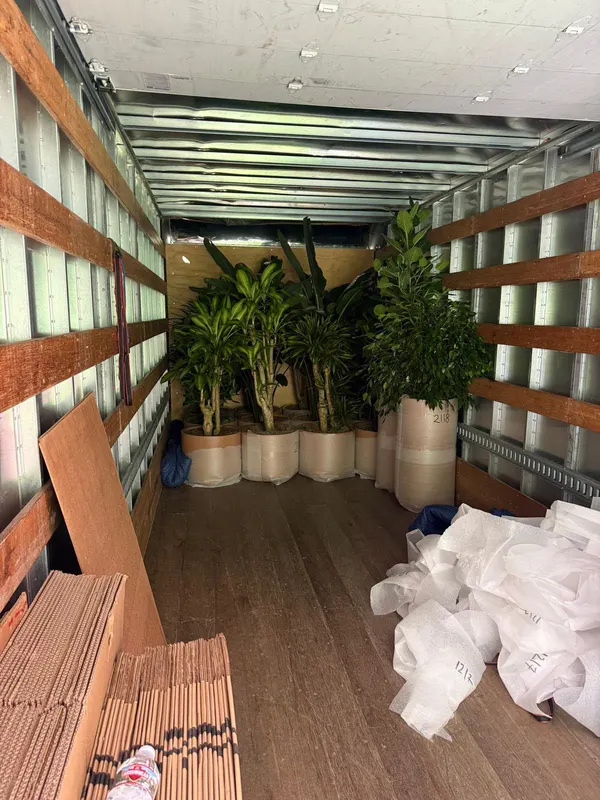
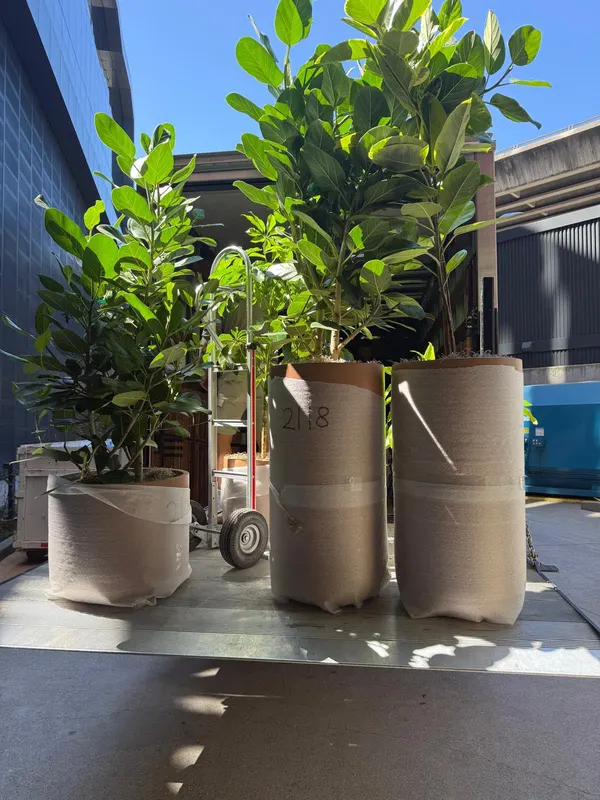
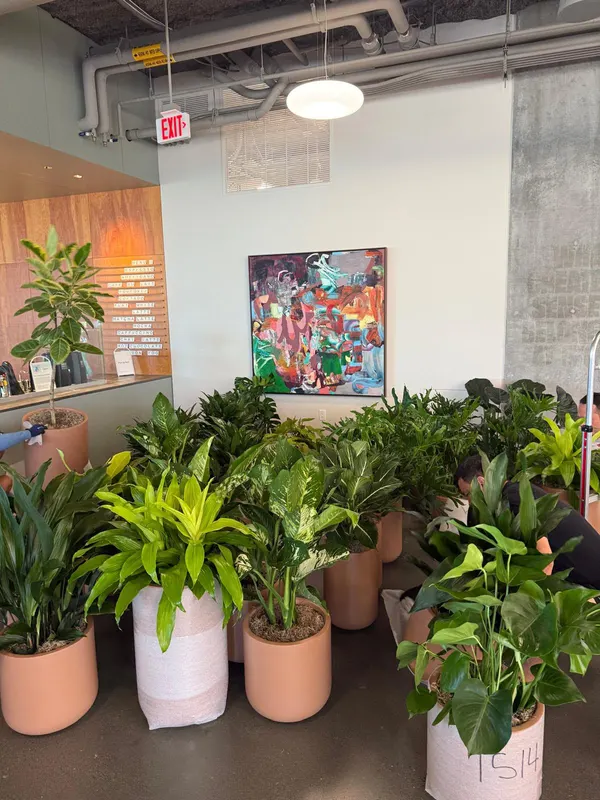
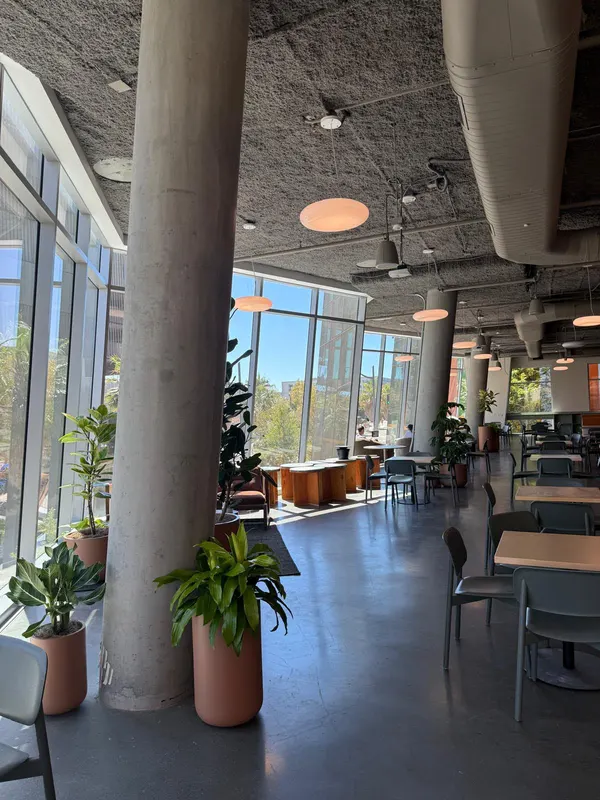
Why plants are different: mature trees stand several feet tall in large decorative planters, too heavy for one person, and branches, trunks, planters and roots are easily damaged if they are handled like ordinary cargo. A single plant may go through an office, a service elevator, a loading dock and a truck, then through another building, and it has to arrive looking the way it left.
Protecting trees and planters
Each planter is wrapped individually against scratches and chips while the plant stays upright. The crew plans each tree's route by its whole shape, not just its pot, because branches catch on doors and elevator entrances.
A truck full of living plants
Plants travel upright with room around the foliage. They are loaded by size, weight and shape, with heavy planters placed so they can't shift and enough space that branches aren't crushed against each other.
Working in occupied buildings
Installations often happen in working offices. Heavy pieces go on dollies, and the crew controls large plants from both the planter and the foliage side, so walls, floors and furniture stay untouched.
Docks, elevators and delivery windows
Dock access, freight elevators, building rules, delivery windows, truck position, long carries, floor protection and clearance for oversized trees are planned before the truck arrives.
Delivered to the spot, not the door
Plants go straight to reception, conference rooms, offices, common areas and window spaces, so the client's team can focus on the final design instead of carrying planters.
Why a long-term partner helps: after many projects together, the crews know what they are moving, how it has to be protected and what equipment it needs, so the client doesn't have to explain the basics each time, even though every project has a different building, dock and elevator. How we plan commercial moves | How to move large indoor plants
What we record on every job
Every job is scoped the same way: what is moving, the size, the access at both addresses and the one thing most likely to make the day difficult. The quote form asks for the same things, and verified reviews tell you what customers said afterwards.
Have a similar move coming up?
Tell us the size, the access and the date and we will estimate it the same way.
Get a moving quote