House Move Checklist: What to Do and When, 8 Weeks Out

The best house move checklist runs on a timeline, not a pile of tasks: start eight weeks before moving day, book a licensed mover first, and work through declutter, packing, address changes and moving-day checks in that order. The order matters because the first decision, who moves you and on what date, sets every deadline after it. If you are in the Bay Area, ShipShape Moving handles the heaviest items on this list, the packing, loading, transport and unloading, so your time goes to paperwork and decisions.
Key Takeaways
- Start eight weeks out. Book the mover and set a budget first, because every other date hangs on the moving date.
- Get written estimates, and for interstate moves check the mover’s FMCSA registration and U.S. DOT number.
- Submit your USPS change of address at least 7 to 10 business days before you go, and update your driver’s license within 30 days.
- Pack a “load last” box and keep essentials, documents and valuables with you, not on the truck.
- In the first 24 hours, change the locks, test smoke and carbon monoxide detectors, and find the water, gas and electrical shutoffs.
Table of Contents
- The House Move Checklist at a Glance
- Eight Weeks Before: Budget, Mover and Timeline
- Six to Eight Weeks Before: Declutter and Take Inventory
- Four to Six Weeks Before: Pack What You Do Not Use
- Four Weeks Before: Address Changes and Home Services
- Two Weeks Before: Lock In the Logistics
- The Final Week: Essentials Box and Last Details
- Moving Day: What to Do While the Crew Works
- The First 24 Hours in Your New Home
- The First 30 Days
- Checklist Add-Ons by Type of Move
- Our Perspective: Why the Checklist Starts With the Mover
- Ready to Book Your Move?
- FAQ
- Sources
The House Move Checklist at a Glance
| When | What to finish |
|---|---|
| 8 weeks out | Budget, mover search and booking, declutter begins, insurance call |
| 6 weeks out | Packing supplies, non-essentials packed, specialty items arranged |
| 4 weeks out | Address changes, school and medical records, utilities scheduled |
| 2 weeks out | Final packing plan, parking and access for the truck, confirm the crew |
| 1 week out | Load-last box, suitcases, fridge and freezer prep |
| Moving day | Read paperwork, supervise, walk through every room, keep essentials with you |
| First 24 hours | Locks, detectors, shutoffs, utilities in your name |
| First 30 days | DMV, insurance review, filters, unpack room by room |
The rest of this page explains each stage: what it takes and where it usually goes wrong.
Eight Weeks Before: Budget, Mover and Timeline
Two months out is when the decisions that cost money get made. Moving companies book up and prices move with demand, so a Wirecutter moving checklist advises starting the search for a mover as early as possible, ideally two months ahead, to get the best price.
Do these in order:
- Set a budget and a timeline. Write down the target moving date, the date you must be out of the old place, and the date you can get into the new one. Gaps between those dates are where storage or double rent show up.
- Decide how you will move. A State Farm moving checklist starts at eight weeks and puts this decision up front: professional movers or friends with a truck. For a whole house, professionals save the weekend, the borrowed dolly and the strained back.
- Collect written estimates. The FMCSA moving checklist advises getting estimates from at least three movers, and for interstate moves, confirming the mover is registered with FMCSA and has a U.S. DOT number. Our guide on how to compare three moving estimates and check FMCSA walks through it.
- Call your insurance agent. Ask what your homeowner’s or renter’s policy covers in transit, and decide whether you need extra coverage for your belongings.
- Tell your landlord or realtor your timeline. If you rent, give notice in writing according to your lease.
What a good estimate looks like
The cheapest number on paper is rarely the final bill. Movers bill by crew size, hours worked, the complexity of the move and extras like packing. That is why we give written not-to-exceed quotes: you see the ceiling before you commit. Our published local rate is $190-200 per hour, plus an $80 one-off truck fee. Some dates may need a deposit to hold them, so ask about that at booking.
For a local move, the hourly rate is only part of the story. Time on site depends on how much is packed and labeled before the crew arrives, how many stairs and how long a carry there is, and whether the truck can park close. That is why the packing work in the next sections lowers the clock as well as the stress.
Six to Eight Weeks Before: Declutter and Take Inventory
Every box you do not pack is an hour you do not pay for and a box you do not unpack. Wirecutter recommends culling possessions eight weeks out, tackling one or two rooms per weekend and sorting everything into three piles: keep, give away, and recycle or trash.
Make it concrete:
- Start with the places you never look: the garage, attic, basement and hall closets.
- Clear lockers, a P.O. box or a safe deposit box if you have them. Direct Energy’s moving timeline lists these as two-month jobs.
- Photograph or list valuable items and furniture. A room-by-room inventory helps with insurance and with checking the delivery later.
- If you are keeping things you have no room for yet, such as seasonal items, a short stretch of storage for seasonal decor keeps them out of the way until the new house is settled.
Bay Area homes often have more in them than the owners think, especially garages and basements. If your list includes a piano, art, antiques or a collection, flag it now. Our guide to moving antiques covers how to pack, protect and insure them, and our white glove handling is built for exactly those pieces.
Four to Six Weeks Before: Pack What You Do Not Use
Begin with what you will not miss: off-season clothes, books, decor, extra linens, guest room contents. Bob Vila’s two-month checklist, summarized here, suggests starting with non-essential items like seasonal clothing and books, and arranging specialty items early.
Packing is where most DIY moves slip. Boxes get overfilled, labels say “misc,” and the kitchen turns into three days of searching. A few rules hold up:
- Label every box with the destination room and a short contents line, and number them. A numbered inventory makes the unloading check easy.
- Keep heavy items (books) in small boxes and light items in large ones.
- Keep fragile items upright, padded and labeled on more than one side.
If you would rather not do it yourself, our packing service covers careful packing and labeling so unpacking goes room by room without surprises. You can book packing for the whole house or only the kitchen, artwork and other breakable rooms. See the professional packing services page for details.
Four Weeks Before: Address Changes and Home Services
This is the paperwork stage, and USPS timing is the part people miss.
- Mail. USPS says you can submit a change of address up to 90 days before the move and up to 30 days after, and an online request carries a $1.25 identity authentication fee. Allow at least 7 to 10 business days for it to take effect once approved.
- Driver’s license and vehicle registration. Update them at the DMV within 30 days of the move. California residents should check the DMV’s current requirements for their move.
- IRS. The same source points to Form 8822 for a change of address with the IRS.
- Banks, credit cards, insurers, healthcare providers, employer and subscriptions. Update banks and cards at least a week before the move.
- Utilities. Schedule shutoff at the old address and start at the new one for the day you take possession. Cover electricity, water, gas, internet, trash and recycling.
- Schools and records. Coldwell Banker’s checklist adds arranging transfer of children’s school records and gathering personal records at this point.
A tip that saves a headache: put these items in one folder, paper or digital, with account numbers and the date each was done.
Two Weeks Before: Lock In the Logistics
The final two weeks are about removing unknowns on moving day.
- Reconfirm the date, arrival window and crew. Tell us if anything changed: a closing date moved, an elevator reservation, a new floor plan.
- Handle parking and access. In dense Bay Area streets, a truck that cannot park near the door adds carry time. Our guide on preparing for moving day in San Francisco covers permits, loading zones and building rules.
- Reserve elevators and loading docks if you live in a building, and ask building management for any certificate of insurance they require.
- Plan for pets and kids. Moving day is loud, doors stay open and animals bolt. Our moving with pets plan gives a calm approach.
- Use up the freezer and pantry. Less to move, less to spoil.
- Arrange cleaning of the old place if your lease or sale requires it.
Moving an apartment instead? The same sequence applies, and our apartment moving checklist adapts it for stairs, elevators and tight timelines.
The Final Week: Essentials Box and Last Details
Coldwell Banker’s checklist suggests packing, one week out, separate boxes of first-days items labeled “load last”: medicine, comfortable clothes, linens and towels, toiletries, paper goods, disposable plates, trash bags, a tool kit, a step ladder, extension cords, light bulbs and cleaning supplies. Each family member packs a suitcase for the first few days.
Two days before, the same checklist advises defrosting and drying refrigerators and freezers that are going on the truck, and gathering valuables and important documents to carry in your own car, not packed with the rest.
Your own-car list should include:
- Passports, birth certificates, closing or lease documents
- Jewelry, cash, checkbooks and laptops
- Medications and chargers
- The essentials box and house keys for the new place
Moving Day: What to Do While the Crew Works
A good crew does the lifting. Your job is to be the decision-maker and to check the paperwork.
Before loading starts
- The FMCSA says to read the estimate, bill of lading and inventory carefully before signing, and to accompany movers during the inventory.
- Walk the crew lead through the house: what goes, what stays, which items are fragile, and which rooms the boxes are heading to.
- PureEquity suggests laying floor runners or old sheets in high-traffic paths to prevent scuffs.
While loading
- Stay close to home and be reachable. FMCSA’s checklist says to be present to answer questions and give directions and to stay until they finish.
- Check your numbered box inventory as boxes go on the truck. OpenDoor’s checklist recommends supervising loading this way.
- Keep the essentials box in your own vehicle.
Before the truck leaves
- Do a final walkthrough of the old home. OpenDoor lists the attic, basement, garage, built-in shelves, medicine cabinets, outdoor spaces and the mailbox.
- Hand over keys, garage remotes, gate codes and access cards as arranged.
- If your move involves tipping, OpenDoor notes the general guideline for a local move is $5-$10 per mover per hour.
Our crews are professionals trained in careful handling, and we keep you informed from the first call to the final sign-off. If you want the crew’s loading plan before the day starts, ask us when you book.
The First 24 Hours in Your New Home
Before you unpack anything, handle safety and security. OpenDoor and PureEquity agree on the core list:
- Change or rekey the locks. You do not know how many copies of the old keys exist. Replace or reprogram garage remotes and smart-lock codes at the same time.
- Test every smoke and carbon monoxide detector and put in fresh batteries, or replace outdated units.
- Locate and label the main water shutoff, electrical panel and gas shutoff. If something leaks later, you will not be searching in the dark.
- Set up your own alarm account and codes, and cancel the seller’s monitoring if there was one.
- Find the fire extinguisher or buy one for the kitchen.
- Check that utilities are in your name, as Resident’s new-homeowner checklist advises, and walk the house slowly looking for leaky faucets, faulty wiring or broken locks.
Then unpack by priority. This Old House recommends opening necessities first (sheets, a change of clothes, cleaning supplies, medications, toiletries, towels), placing each remaining box in the room where its contents belong, and unpacking one room at a time, starting with the bathroom and kitchen. Because our crews label boxes by room, this step is quick: boxes land where they belong.
The First 30 Days
HomeZada’s first-90-days checklist puts these in the first month: change exterior locks and garage codes, set up service accounts, review homeowner’s insurance coverage, replace HVAC filters, and look for visible leaks or safety issues. Add the DMV update, a final check that your mail is forwarding, and a review of your inventory against what arrived.
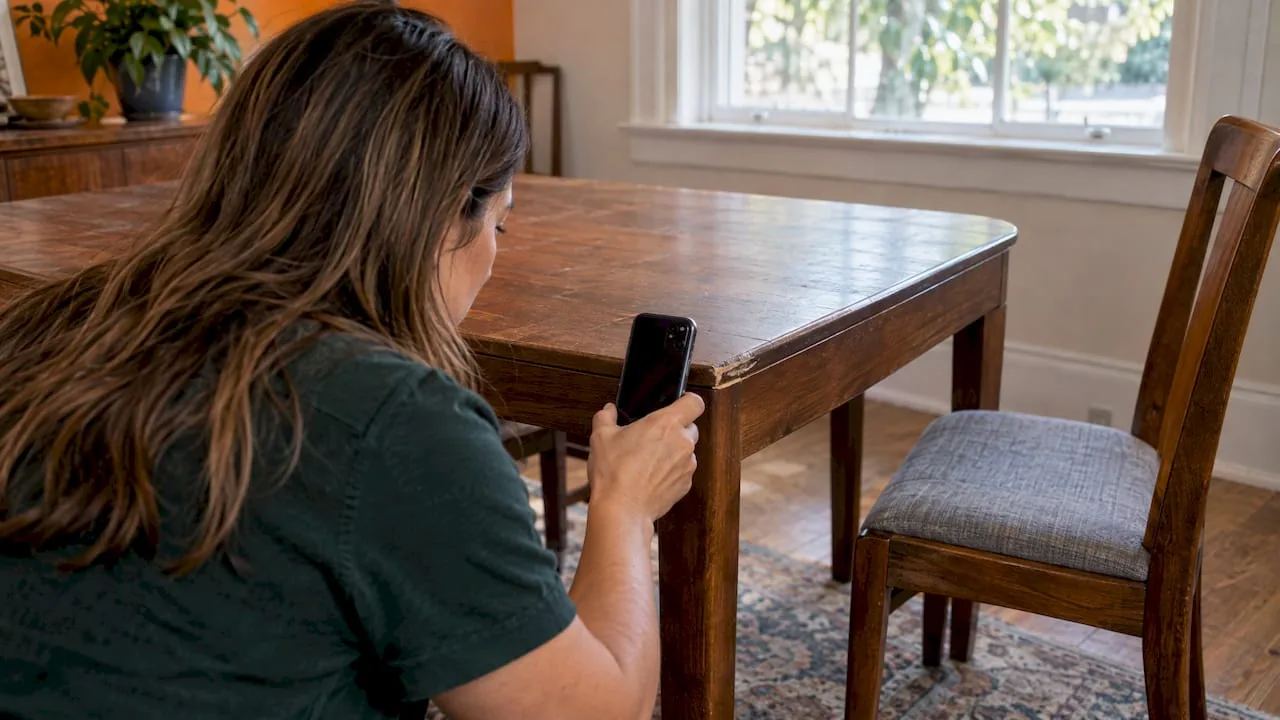
If you spot damage, document it with photos and tell us promptly so it can be addressed under your paperwork.
Checklist Add-Ons by Type of Move
Not every house move looks the same, and each type has its own extra step.
- Large homes. More rooms mean more packing days and more crew hours. Start the declutter earlier, and see how we approach large home moving.
- Long distance. Add the FMCSA registration check, a longer estimate review, and a delivery window. Our long-distance moving page explains how we plan it.
- Valuables and collections. Inventory and photograph early, and plan custom handling.
- Students. A dorm or shared-house move compresses everything into a few days; our UC Berkeley move-in checklist is built for that.
- Home offices and businesses. If your move includes a business, our office move checklist covers after-hours planning.
Our Perspective: Why the Checklist Starts With the Mover
Most house move checklists put hiring movers somewhere in the middle, between decluttering and address changes. We would put it first. Once you have a date and a written quote, every other task has a deadline, and the part of the move that scares people most is already taken care of.
The second thing we would tell a friend is to stop packing alone in the last week. Last-minute packing is where boxes get mislabeled and fragile items get tossed in with books. Careful packing and labeling is what our crews do all day, and it is the reason unpacking goes smoothly.
Third, ask for communication. You should know who is coming, when, and what the quote covers, from the first call to the final sign-off. That is how we work, and it is the part of a move that people remember most.
Dennis
Ready to Book Your Move?
If you are in Berkeley, Oakland, San Francisco or elsewhere in the Bay Area, we can give you a written not-to-exceed quote for a local move at $190-200 per hour plus an $80 one-off truck fee. We also offer packing, white glove handling, large home moves and long-distance relocations.

Start with our local moving page or review the residential moving service, and tell us your date, your home size and anything delicate. The earlier you reach out, the more dates we can offer.
FAQ
How far in advance should I start a house move checklist?
Eight weeks is the common starting point, and it fits the research: State Farm, Coldwell Banker and Wirecutter all begin around two months out. That gives time to book a mover, declutter room by room and finish address changes without rushing. If your move is sooner, hire the mover first and compress the rest.
When should I submit my change of address?
USPS accepts requests up to 90 days before your move date, and it recommends allowing at least 7 to 10 business days for the request to take effect. Submitting two to four weeks before you leave is a safe window. Update your driver’s license and registration at the DMV within 30 days of moving.
What should I keep with me instead of putting it on the truck?
Keep documents, valuables, medications, chargers, keys and an essentials box with you in your own car. Pack a few days of clothing and toiletries for each family member as well. These are the items that are hardest to replace or that you will need first.
What should I do first in the new house?
Change or rekey the locks, test smoke and carbon monoxide detectors, and find the water, gas and electrical shutoffs. Then confirm utilities are in your name and unpack bathrooms and the kitchen first. These steps take little time and protect the home from day one.
Sources
- Moving Checklist, FMCSA
- Change of Address: The Basics, USPS
- Standard Forward Mail and Change of Address, USPS
- The Ultimate Moving Checklist, Wirecutter
- Moving Checklist, Bob Vila
- Make your move one step at a time, State Farm
- Two-Month Moving Checklist, Coldwell Banker
- Moving Checklist, Direct Energy
- Moving In? Utilities, Services and Mail, Mortgage Research
- The Complete Moving Checklist, OpenDoor
- New House Checklist, PureEquity
- The Ultimate Moving Checklist, This Old House
- New Homeowner Checklist, Resident
- New Homeowner Checklist: First 90 Days, HomeZada